How to Reduce Screen Time for Kids
A small, practical plan for reducing children’s recreational screen time, with routines, parent scripts and alternatives to screens.
Help young children build everyday screen time routines—with practical parent guides, a dinosaur story and free screen-free activities. Start with one small change at meals, after school or before bed.
Free resources for families with young children. No sign-up. Choose one routine to try.
For parents / Beyond the dinner table
Looking for ways to reduce screen time for kids? Choose the situation your family needs help with, then try one manageable step.
A small, practical plan for reducing children’s recreational screen time, with routines, parent scripts and alternatives to screens.
Practical ideas for difficult screen-time transitions: plan the ending, use a short parent script and help your child move to the next activity.
Create simple family screen time rules for young children. Use examples for school days, meals and bedtime, plus a free printable routine chart.
Find easy screen-free activities for young children at home, before bed, while waiting and on outings, including free dinosaur colouring sheets.
01 / Start with the why
Watch together at a calm time before a meal. Then close the screen and bring the conversation to your own table.
“What did the dinosaur miss while looking at the tablet?”
“What do you enjoy when we eat together?”
“Where shall our screens rest when it’s time to eat?”
Let your child answer in their own way. Pointing, drawing or a few words all count as joining in.
02 / Make it a little easier
Understanding why is a starting point. A predictable boundary, your help and repeated practice bring it into everyday life.
Explain the plan before the meal. Give a brief heads-up before screen time ends. Adults put their phones away too.
Practise when everyone is calm. During a difficult moment, keep your words short and offer help.
If extra motivation helps, agree on a small reward in advance for a clear action, such as parking the tablet:
Follow through when earned. Reward the screen-away step, not how much food your child eats.
“You want to keep watching. It’s hard to stop something fun.”
“Screens rest while we eat, so we can enjoy our food and each other. Mine is going away too.”
“Would you like to put the tablet away yourself, or shall we do it together?”
“While we wait for food, would you like to colour or look at a book?”
“You put the tablet away even though you wanted to watch. Thank you for making time for us.”
If your child protests: “You’re disappointed. The screen is resting. I’m here to help.” Leave room for feelings while keeping the boundary clear.
03 / A little something for waiting hands
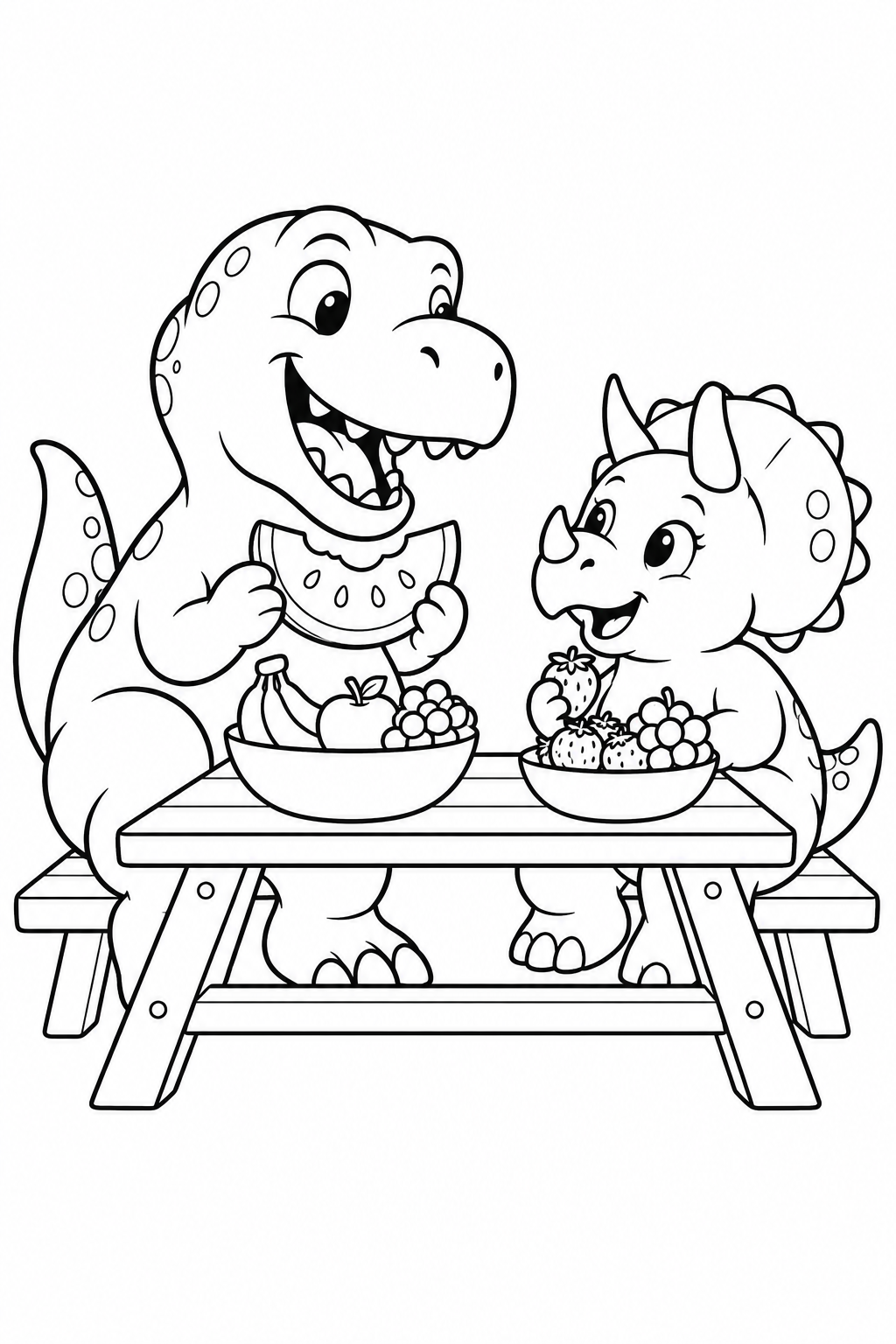
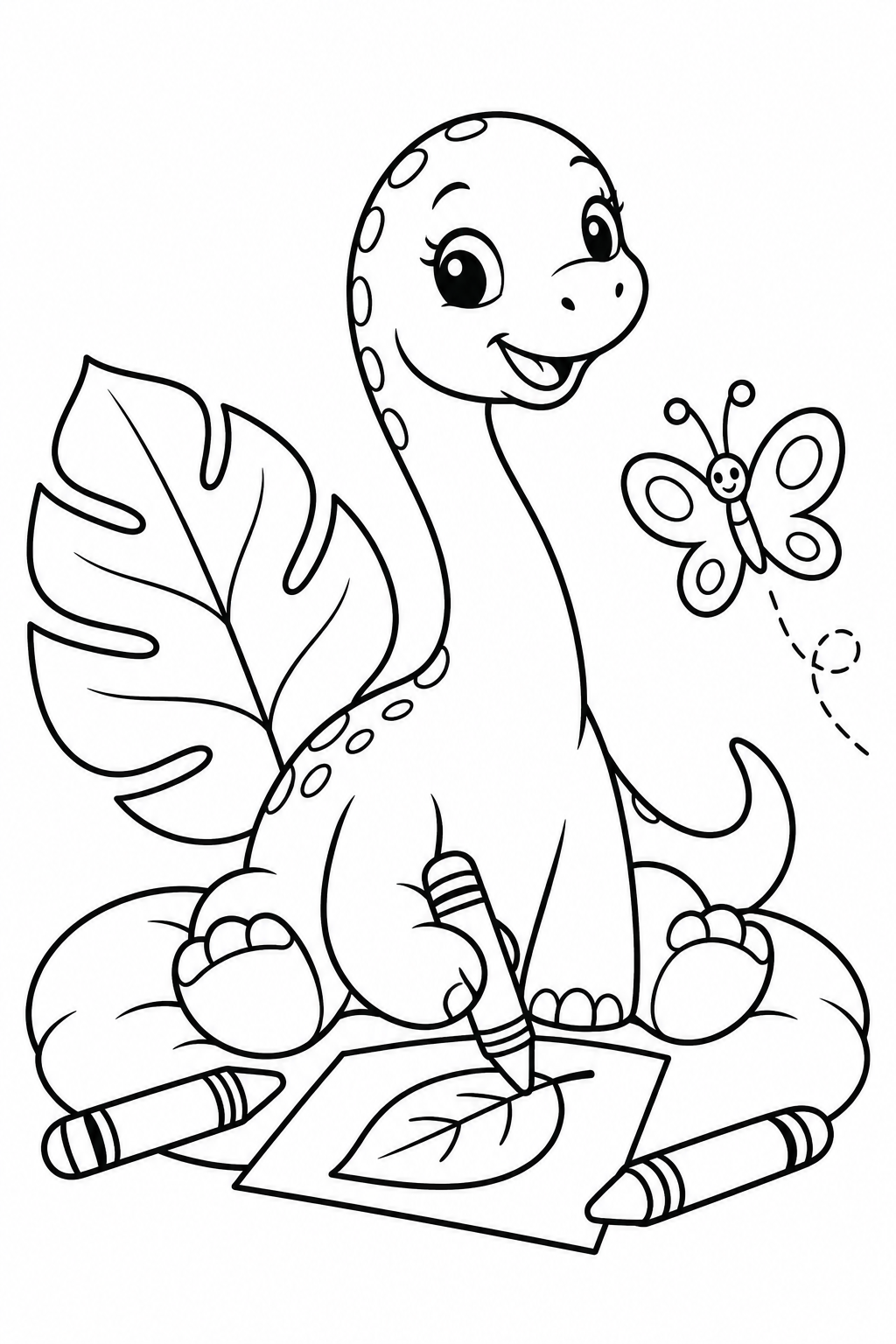
Free dinosaur colouring sheets for kids while waiting for food—at home, in a café, or at a restaurant. Pack a few crayons and take them along.
From one parent to another
Nimblaroo began with a familiar parenting challenge: children wanting screens, including at mealtimes. Rules can set the boundary. We also wanted a way to talk about the reason behind it.
Our dinosaur story opens that conversation: when our attention is on a screen, what might we miss with the people beside us?
Use the story, the script and the colouring sheets as a starting point. This is a parent-created resource, not a tested behaviour-change programme. There is no promise that one video will change a habit. Start small, practise together and adapt to your child.
Questions from the dinner table
Decide on the routine before dinner: where screens go, when they stop and what your child can do while waiting. Give a heads-up, offer help parking the device and use the same brief script. Make it a family routine by putting your own phone away. Notice and praise each small step.
Putting screens away makes space to notice the food, listen and share time with the people at the table. The American Academy of Pediatrics includes the dinner table as an example of a screen-free zone in its Family Media Plan guidance. Our video is a conversation starter about that shared time.
Start by observing what makes meals difficult and choose a manageable change, rather than turning dinner into a battle. Keep food pressure low and separate practising the screen routine from how much your child eats. If removing the screen means your child cannot eat enough, or meals involve pain, choking or marked distress, seek individual advice from a paediatrician or feeding professional.
Bring a small waiting kit: these dinosaur colouring pages, crayons, a picture book or a quiet toy. Try spotting colours, drawing a silly dinosaur together or telling a one-sentence story each. Choose activities suited to your child’s age and keep small objects away from children who may put them in their mouths.
You can keep recreational screen time within a predictable family plan instead of renegotiating it at every meal. For practising the device-away routine, start with specific praise. If a reward helps, agree on something small your child values, like choosing a story or a shared game. Avoid making the reward depend on clearing the plate.
The idea is to use the video intentionally: watch together before the meal, discuss it briefly, then put the screen away. It is a prompt for an offline routine, not something to keep playing while your child eats.
Yes. Use fewer words, show a picture of the next activity, offer a familiar alternative and make the first step manageable. Allow your child to respond without speaking. Keep communication devices available; a device used to communicate is different from entertainment. Adapt any change around your child’s established feeding or support plan.
These sources inform the general guidance; they have not evaluated or endorsed Nimblaroo.
For parents / Completely optional
Tell us about the video, parent script or colouring sheets. All experiences are useful—even if you haven’t tried it yet.
One story. One small step.
Start the conversation before your next meal.
▶ Watch together